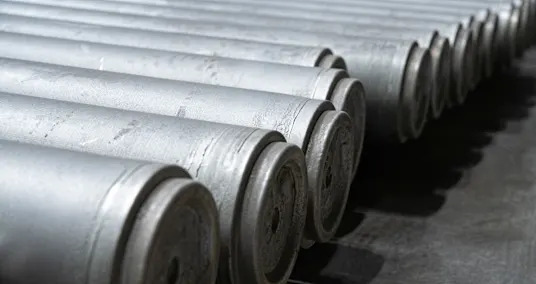
Fears of global aluminium shortages that could affect the production of clean energy technologies intensified after Iran struck two major Gulf aluminium producers, sending prices to a four-year high. The Middle East accounts for 9% of the world’s production of aluminum, which is essential to a wide range of industries from transportation, construction, and packaging, as well as the manufacture of solar panels, electrical transmission systems, wind turbines, and EVs.
Export shipments to the US and Europe had already come to a halt because of the effective closure of the Strait of Hormuz, and Morgan Stanley economists singled out aluminium as carrying a high level of risk across the value chain. Andy Farida, an aluminium analyst at Fastmarkets, told Semafor that high prices would be passed on to end-users, ultimately causing demand destruction. “A prolonged shutdown (with little to no alternative supplies other than Russia and China) could cripple the supply of aluminium to support the production of clean and green technology,” he said, adding that relief could come “if governments allow some sanctioned Russian and Chinese aluminium to be imported.”

latest_posts
- 1
 Hamas Navy head, engineer of Khan Yunis tunnel network killed in Gaza, IDF confirms
 - 2Finding the Universe of Workmanship: Individual Encounters in Imagination
- 3Step by step instructions to Advance the Eco-friendliness of Your Kona SUV
- 4Vehicle Lovers' Decision: Purchase A Reasonable Vehicle
- 5Scientists dove hundreds of feet into the ocean and found creatures no human has ever seen. Our trash beat us there


- Anti-war protests held across Israel under wartime gathering limits
- CPA Canada appoints eight directors as new governance model takes effect
- Flights canceled at 40 U.S. airports: Follow live updates as FAA cuts to air traffic take effect amid government shutdown
- Ukrainian drones hit all three Baltic States − did Russia redirect them?
- What's the Fate of 5G Innovation?
- NASA's Artemis astronauts enter final preparations for Moon mission
- Discussion on deployment of foreign troops ongoing, two sources tell 'Post'
- I binged all 24 Hallmark Christmas movies in less than 30 days. I emerged a changed man.
- German Court Rejects Bid To Force BMW and Mercedes-Benz To Stop Selling New Combustion-Engine Cars After 2030