India’s much-delayed 2035 climate plan underestimates the country’s clean energy potential and allows for an acceleration of emissions growth, according to analysts. The plan aims to reduce the emissions intensity of its GDP by 47% from 2005 levels and increase the share of its electricity capacity from nonfossil sources to 60% by 2035.
The reduced carbon intensity target would, however, still allow India’s carbon emissions to increase by 70% over the next decade if GDP grows at a target rate of 7% per year, Lauri Myllyvirta of the Centre for Research on Energy and Clean Air told Semafor. That would translate to emissions growth of 5.5% per year, above the average rate of 3.5% over the past decade.
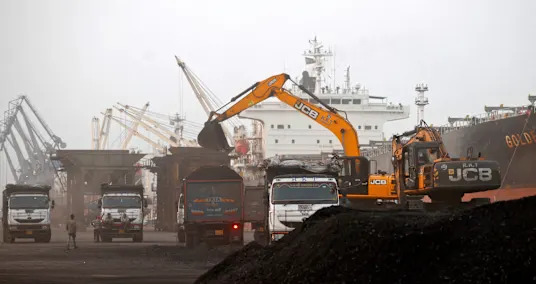
India is also on track to achieve its clean power capacity target well ahead of time: Its Central Electricity Authority projects that nearly 70% of power capacity will come from nonfossil sources by 2035-36.
“India’s booming clean energy industry is highly likely to deliver much faster progress than policymakers were prepared to commit to,” Myllyvirta said. Disruptions to oil and gas flows caused by the Iran war and the competitiveness of clean energy could strengthen the case for accelerating renewable deployment.
latest_posts
- 1
 See as Your #1: These Low-Sugar Food sources You Ought to Attempt
 - 2The Benefits of Rehearsing Careful Nurturing
- 3Hezbollah field commander killed in IDF strikes in Beirut
- 4What were the little white pills found in Tiger Woods's pocket at the scene of his crash? What to know about hydrocodone.
- 5This professional Santa's dream of spreading holiday cheer fuels stroke recovery





- The beauty advent calendar boom is here. Sephora kids are all in.
- Ukraine to get up to 100 French-made Rafale fighter jets
- Artemis II astronauts say they're "ready to go" for moon launch
- Whale stranded off Germany for days found stuck again
- Germany's Merz under fire in Brazil for his comments on Amazon host city of COP30
- Disability rights activist and author Alice Wong dies at 51
- Volkswagen Just Revealed a Massive Range-Extended SUV for China, and America Isn’t Getting It
- Dominating Monetary Administration: A Bit by bit Manual for Making an Individual Financial plan
- 20-year-old who threatened German train attack remanded in custody