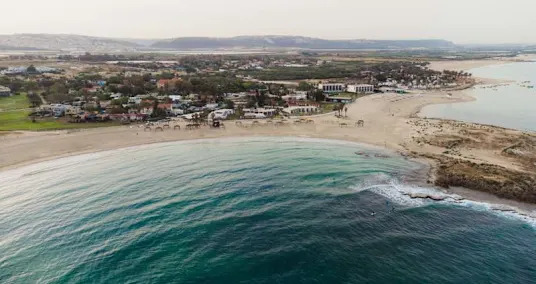
The discovery was made in an ancient shipwreck in the Dor Lagoon near the Carmel Coast, where archaeologists recovered nine pieces of unprocessed iron known as “blooms.”
Researchers from the University of Haifa said Wednesday that an underwater excavation off Israel’s northern Mediterranean coast uncovered what they described as the earliest known cargo of raw iron transported by ship, dating back around 2,600 years, Xinhua reported.
The discovery was made in an ancient shipwreck in the Dor Lagoon near the Carmel Coast, where archaeologists recovered nine pieces of unprocessed iron known as “blooms.” According to the university, the find provides direct evidence of how iron was transported in its earliest commercial stages.
The material was preserved in its original form, having solidified directly in a smelting furnace without undergoing forging or further refinement. Researchers said this distinguishes the cargo from later iron artifacts that typically show signs of shaping or tool-making.
Unlike copper and bronze, which could be melted into liquid form in ancient production processes, iron was heated with charcoal to produce a solid, porous mass. That mass was generally hammered to remove impurities and create denser material suitable for tools and implements.
The recovered blooms showed no indication of that secondary processing stage, suggesting they were transported immediately after production.

Earliest iron shipment discovered in ancient Mediterranean wreck
To determine the age and condition of the cargo, researchers conducted microscopic and chemical analyses.
Radiocarbon dating was also carried out on charred wood embedded in one of the pieces, helping confirm the timeline of the shipment. The findings were published in the journal Heritage Science.
Researchers said the cargo indicates that iron was being moved in raw form from production sites to other locations for further processing, pointing to a level of specialization in ancient manufacturing and trade networks in the Mediterranean.
The University of Haifa said the discovery provides new insight into early iron production and distribution practices in the region.
latest_posts
- 1
 Top German court to rule on claims by Wirecard shareholders
 - 26 U.S. States for Climbing
- 3Staggering Spots to Stargaze All over the Planet
- 4In Antarctica, photos show a remote area teeming with life amid growing risks from climate change
- 5Born under fire: MDA delivers baby in Jerusalem minutes before rushing to shelter



- 'Israel has the right to continue its attacks,' Lebanese Foreign Minister announces
- Go on A Careful spending plan: Modest Objections for Your List of must-dos
- Cyber Monday streaming deals 2025: Grab the Disney+ Hulu bundle for only $5 and save over 60%
- NAFFIC, AWARE claim first China-EU DPP for textiles
- Figure out how to Perceive Warnings while Looking for an Auto Collision Lawyer
- The Fate of Gaming: 5 Energizing Advancements Not too far off
- Instructions to Choose the Best Material Organization for a Fruitful Rooftop Substitution
- Polish law aimed at lowering petrol prices takes effect
- These HGTV stars made a pledge to keep their kids off smartphones. Here's how it's going.