In Santa Maddalena, locals are fed up with influencers trespassing through private fields for the perfect shot. In Florence, cluttering restaurant terraces have disappeared from the city’s historic core. On Capri, tour guides must now use earpieces to quiet the noise. These scattered measures reflect a gradual tightening of the rules against overtourism in 2026—something that Italians say threatens not just heritage sites, but the rhythm of daily life.
One of Italy's most famous islands, Capri, is home to 13,000 people year-round, but in the summer, more than three times that arrive for day trips, with 50,000 visitors arriving by boat daily. From summer 2026, organized tours cannot exceed 40 people, and wireless earpieces must be used instead of loudspeakers. Visitors traveling independently are unaffected by the new rules.
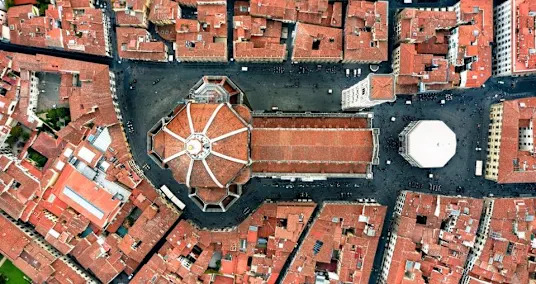
From the beginning of March 2026, Florence has banned outdoor dining in its UNESCO-protected center, including Ponte Vecchio. In another 73 streets, there is a ban on bright lighting, advertising and plastic tarpaulins. The aim is to reduce congestion and clean up the wooden structures of tables and chairs. Locals reported to Afar that this may be more of a band-aid and might not address the core issue of overtourism.
The Dolomites featured on many must-see travel lists in 2025, from the BBC to Bloomberg, with particular focus given to their prominence in the Milan-Cortina 2026 Winter Olympics. The Dolomites are a sub-range of the Alps in northeastern Italy, with a unique geology. They are formed from pale gray, jagged mineral rock that UNESCO declared a World Heritage Site 10 years ago because of its exceptional natural beauty and unique geomorphology.
To address overtourism, one ski resort in the Dolomites, Madonna di Campiglio, has started limiting daily passes to 15,000, down from the usual 23,000, and now it is the turn of the village of Santa Maddalena to combat overtourism.
The church at Santa Maddalena appeared on SIM cards distributed in China over a decade ago and Instagrammers have arrived ever since, seeking the perfect photo. The small hamlet now welcomes about 600 visitors a day in peak season, too many for the picture-postcard village to handle, and EuroNews reports that in 2022, the owner of a meadow installed a pay-to-enter turnstile to manage the number of tourists walking across his land.
Mayor Peter Pernthaler told local media that “we've had enough of tour groups from China and Japan descending on the valley, parking indiscriminately, and staying only long enough to snap a few photos. They contribute nothing except the litter they leave behind.”
From May 2026, visitors will be encouraged to slow down during their visits. To stay for longer, to walk into the centre of the village instead of driving, and to park much further away. "Local residents have reached their breaking point, so we've decided to take action. We're prepared to do more: this year, we will not allow an invasion,” Pernthaler added.
The most famous Italian tourist tax, if not globally, is Venice's, which started charging daytrippers in 2024. The city of Venice has long felt overrun by tourists, and tensions have risen dramatically over the past decade. For example, 80,000 daytrippers disembarked from an increasing number of cruise ships in 2021, many of whom were criticised for not contributing economically by staying in the city overnight or using restaurants and other businesses. Plus, the city is feeling the environmental impacts of these giant cruise liners along the delicate, already-submerging ancient canal waterways.
The 2024 pilot tourist tax scheme trialed a $5 daily fee for day-tripping tourists visiting on 29 specific days, mostly weekends, between April and July. Tourists who spent the night in the city were exempt; hotels provided a QR code that allowed them to roam the city freely. The tax was extended in 2025 and will continue in 2026.
Italian architect Nicola Salvi built the Trevi Fountain in the 18th century, the largest fountain in Rome, depicting Oceanus, the god of water and seas, being pulled in a chariot by two seahorses. It welcomes 30,000 visitors a day and, in 2026, became one of several Italian landmarks accessible only after paying a small fee. The city's residents don’t have to pay. Neither will children under 5, nor those with disabilities, nor those with an accompanying person.
Tourism powers Italy’s economy, but in addition to controlling visitor numbers at the Trevi fountain and Venice’s tourist tax, new measures across Florence, Capri and villages in the Dolomites are aiming to control daytrippers in tourist hotspots.
MORE FROM FORBES
MORE FROM FORBESThe Best Places For Expats, According To 3 New StudiesBy Alex Ledsom

MORE FROM FORBESTravel The World’s Longest Managed Coastal Path In The U.K.By Alex Ledsom

MORE FROM FORBESThe Best European Cities To Call Home, Per 2026 Consultancy ResearchBy Alex Ledsom

latest_posts
- 1
 Manual for Wonderful Getaway destination
 - 2Geminid meteor shower 2025 peaks next week. Here's what you need to know about this year's best meteor shower
- 3An Extended period of Voyaging Carefully: the World with Reason
- 4I visited every country by 25. Antarctica showed me how much I still hadn't seen.
- 5A top Marine shares his secrets to keeping fit at 50




- Politics at the table? Drinking the wine you brought? An etiquette expert's Thanksgiving dos and don'ts.
- 5 VIPs That Changed Style
- The Eastern Bongo, Kenya’s Rare Forest Antelope on the Brink
- High-Suggested Broilers For Your Homes
- Navy-Marine Corps Relief Society provides emergency grants to families displaced by Iran war
- A definitive Handbook for Securities exchange Money management
- Sound Propensities: 20 Methods for helping Your Insusceptible Framework
- Major Scottish gangland figure Steven Lyons arrested in Bali
- Agricultural drones are taking off globally, saving farmers time and money