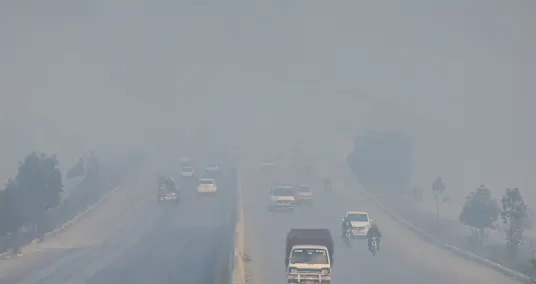
The Paris Agreement’s “stretch goal” of limiting warming to 1.5 C above preindustrial levels is no longer feasible, according to an analysis of 15 market outlooks compiled by think tank Resources for the Future.
Energy-related CO₂ surpassed 38,000 million metric tons in 2024, and most forecasts don’t expect a peak until sometime between 2030 and 2035, with reductions by 2050 varying significantly. The most aggressive projection — the International Energy Agency’s Net Zero scenario — demands emissions fall by 13.4% every year through 2050 (the steepest drop this century was 5%, during COVID-19 shutdowns). Renewables will keep reshaping the energy mix, rising from roughly 15% of primary energy in 2024 to more than 20% by 2050. But that won’t be enough to meaningfully cut emissions while fossil fuels enjoy strong markets across the Middle East, Asia, and Africa. Rising electricity demand is also compounding the issue. Global power generation roughly doubled between 2000 and 2024, and could climb another 59% — or more than double again under some scenarios — by 2050, driven by the AI boom, the electrification of transport, and the rapid spread of air conditioning. Renewables are expected to supply a chunk of that new demand, but those additional terawatts represent “an energy addition, not an energy transition,” the report’s authors wrote.

latest_posts
- 1
 UAE-backed Yemeni Southern Transitional Council denies disbandment rumors
 - 2Role reversal: Ukraine moves training home and exports the lessons abroad
- 3‘The White Lotus’ sparked online interest in risky anxiety pills, study says
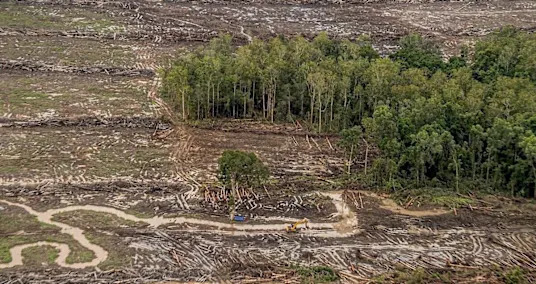
- 4Indonesian Mega-Farm Drives Surge in Deforestation
- 5Become the best at Discussion: 6 Procedures for Progress




- Eurovision Song Contest changes voting rules after controversial allegations against Israel
- Hundreds are quarantined in South Carolina as measles spreads in 2 US outbreaks
- Opening Potential: Self-awareness and Long lasting Learning
- Astronauts welcome arrival of new crewmates | On the International Space Station this week Nov. 24-28, 2025
- Instructions to Warmly greet Discretion and Thoughtfulness
- Burkina Faso must 'forget' about democracy, military leader says
- These 2 companies are teaming up to offer insurance for space debris strikes on satellites
- 5 Great High-Mileage Electric Vehicles Of 2024
- IDF kills senior PIJ Gaza City Brigade cmdr. who infiltrated Kibbutz Nahal Oz on Oct. 7