The post came in reply to a post from the United Nations Relief and Works Agency (UNRWA), saying that freshwater supplies in Gaza were "severely limited and polluted."
Gaza is receiving over 70,000 cubic meters of water per day, the Coordinator of Government Activities in the Territories (COGAT) claimed in an X/Twitter post on Sunday.
The post came in reply to a post from the United Nations Relief and Works Agency (UNRWA), saying that freshwater supplies in Gaza were "severely limited and polluted," due to a collapse in sewage infrastructure.
COGAT described UNRWA's claims as being "false narratives."
COGAT coordinates Gaza water line repair
"The facts speak for themselves," COGAT said. "When a water line issue was reported last week, we coordinated a rapid repair to restore full functionality immediately."
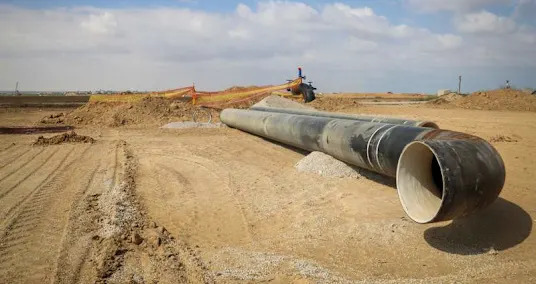
COGAT also said that there were four active pipelines leading into Gaza: Nahal Oz, Bani Suheila, Birkat Sa'id, and the Emirati line.
"While local groundwater faces challenges, we continue to repair infrastructure, even during combat, to ensure civilians access to safe, potable water," COGAT claimed.
latest_posts
- 1
 A Concise History Of The Entertainment world
 - 2Invigorating Spots To Go Kayaking All over The Planet
- 3US EPA will reassess safety of herbicide paraquat, says its chief
- 4‘Raising 10 red flags’: Is Israel’s army exhausted?
- 5Qatar, Ireland accuse Israel of using chemical weapons on Palestinians, demand watchdog probe use




- First Greenland, now Iceland? Annexation joke by Trump ally gets frosty response in the Arctic nation.
- Landon Donovan knew he couldn’t hide his hair loss. So he turned to fans for help.
- Protest inspired by 'Gen Z' movement draws few young people in Mexico and many government critics
- The wolf supermoon will kick off 2026 with a celestial bang. Here's when and how to see it.
- Setbacks in Texas and elsewhere put Republicans' redistricting hopes in doubt as key deadlines loom
- 6 U.S. States for Climbing
- Fundamental Monetary Guidance for Going into Business
- World’s tallest bridge and biggest museum named ‘greatest places of 2026’
- Beyond oil: The crucial exports blocked by Hormuz closure