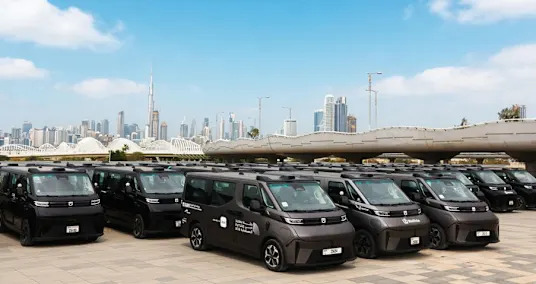
The dream of driverless taxis continues in the Gulf, where the conflict with Iran has slowed but not stopped progress on autonomous transport in Abu Dhabi, Dubai, and Riyadh.
Uber and WeRide added another driverless route in Saudi’s capital this week, linking shopping centers Hayat Mall and Riyadh Gallery. The expanded service comes after the vehicles completed more than 1,700 trips in a trial phase, according to the regulator.
Uber and WeRide have also launched fully driverless services in Dubai, beginning in popular residential and commercial areas Jumeirah and Umm Suqeim, with no safety monitor on board. Separately, Dubai Taxi Company plans to deploy more than 1,000 driverless cars in the city with Baidu’s Apollo Go, starting with a fleet of 50 this year. Earlier this month, Autogo, part of Abu Dhabi-backed technology company K2, began offering rides on Yas Island, and it plans to expand to Saadiyat and Al Maryah islands.
All this is bad news for the region’s taxi drivers, a largely South Asian group whose business is already down due to the conflict with Iran.
latest_posts
- 1
 Woman charged in unprovoked stabbing of tourist changing baby's diaper in Macy’s Herald Square store
 - 2Pfizer in $41.5 million settlement with Texas over ADHD drug for children
- 3Israeli president concerned over proposed renaming of park
- 4Could it be said that you are As yet Utilizing Old Tires? at These 6 Tire Brands
- 5An Extended period of Voyaging Carefully: the World with Reason


- 'Euphoria' Season 3 trailer includes Eric Dane's final appearance, Jacob Elordi and Sydney Sweeney at the altar and Zendaya's 'Breaking Bad' era
- The most effective method to Succeed in Your Web based Advertising Degree: Procedures for Progress
- Over 60 local leaders push Netanyahu to halt haredi draft bill, warn of social rift
- Watch Rocket Lab launch Japanese technology-demonstrating satellite to orbit tonight
- Change Your Skincare: 10 Inventive Magnificence Gadgets
- Spanish bishops and government sign deal for compensation of church sexual abuse victims
- Geminid meteor shower, one of the year's most reliable, peaks this weekend
- Instructions to Upgrade the Security Elements of Your Kona SUV
- Fuel Price Spike Drives Surge in Used EV Sales in Europe